
Ensure your remote team's data is secure with these essential cybersecurity measures. Protect against threats and maintain compliance.
To safeguard a remote workforce, implement Zero Trust Architecture, mandating continuous verification of identities before granting access to resources. This approach assumes no implicit trust and verifies every access request in real-time.
Ensure all data is encrypted using robust protocols such as AES-256. Encrypting data at rest and in transit prevents unauthorized access even if encryption keys are intercepted.
Key Takeaways
- Adopt Zero Trust Architecture for continuous identity verification.
- Encrypt all data with strong protocols like AES-256.
- Achieve SOC2 Compliance Remote to meet industry security standards.
- Maintain a secure VPN connection using best practices.
Nearly 30% of enterprises lack dedicated cybersecurity personnel, highlighting the importance of implementing effective remote workforce security measures. Hong Kong Computer Emergency Response Team Coordination Centre.
Protect Your Remote Workforce: Start Here
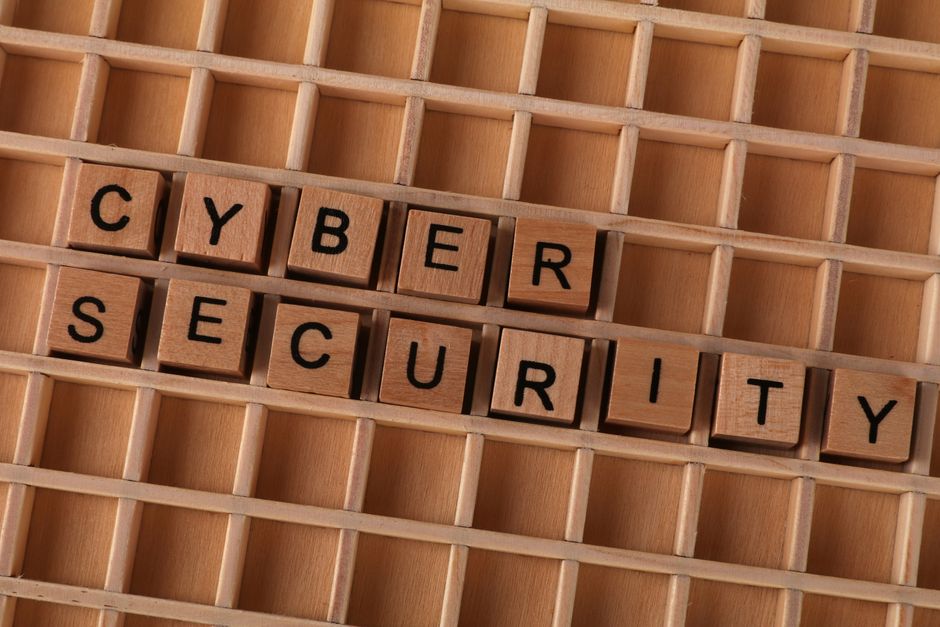
In 2026, securing a remote workforce has become paramount. According to the HKCERT's "Hong Kong Cybersecurity Outlook 2026," security incidents are at an all-time high with a notable increase of 27%. As threats evolve, focusing on robust cybersecurity measures is essential.
Here’s what matters: Implementing a Zero Trust Architecture can significantly reduce the risk. This approach assumes no implicit trust between any network segments and requires verification for every access request, ensuring that only authorized users and devices gain entry to sensitive information.
In practice:
- Adopt Strong Data Encryption Protocols: Protect data in transit and at rest with advanced encryption methods.
- Ensure compliance with SOC2 standards by conducting regular security audits and assessments.
- Implement a reliable VPN solution for secure remote access, ensuring that all connections are encrypted.
What this means for you:
By prioritizing Remote Workforce Security, your organization can better safeguard against potential cyber threats. For more insights into robust cybersecurity practices, refer to the HKCERT's comprehensive report on their website.
Cybersecurity Tips for Remote Teams in 2026
Cyber threats are evolving rapidly, making it essential for remote teams to adopt robust security measures. One of the most effective strategies is implementing Zero Trust Architecture. This approach assumes that no user or device should be trusted by default and verifies every access request before granting permission. For example, a company using Zero Trust might require employees to re-authenticate when accessing sensitive data from an unfamiliar IP address.
To bolster your defenses, ensure all data transmitted over the internet is encrypted using strong protocols like AES-256. This prevents unauthorized interception or decryption of information. Plus,, achieving SOC2 Compliance Remote can enhance your security posture by adhering to best practices in service organization controls and operational excellence. By maintaining SOC2 certification, you demonstrate a commitment to protecting data integrity and confidentiality.
Lastly, implementing robust VPN Best Practices is crucial for remote workforce security. Ensure that your Virtual Private Network uses strong encryption standards (like AES-128 or higher) and has regular updates. Avoid using public Wi-Fi for sensitive work activities; instead, connect via the VPN whenever possible. This layered approach minimizes vulnerabilities and ensures secure communication channels.
Here's what matters: By following these practical tips—Zero Trust Architecture, strong data encryption, SOC2 Compliance Remote, and robust VPN Best Practices—you can significantly enhance the security of your remote workforce.
- Implement Zero Trust Architecture to verify every access request.
- Encrypt all transmitted data using strong protocols like AES-256.
- Achieve SOC2 Compliance Remote for enhanced operational excellence and data protection.
- Use robust VPN Best Practices, including strong encryption standards and regular updates.
The bottom line: Ensuring your remote team's security is a proactive effort. By adopting these strategies, you can safeguard against evolving cyber threats and maintain the trust of your organization and its stakeholders.
Putting It All Together: A Routine for Remote Workforce Security

Implementing robust cybersecurity measures for a remote workforce is crucial The key to effective security lies in creating a routine that integrates various best practices seamlessly. Start by establishing Zero Trust Architecture, which assumes no implicit trust and requires verification of every access request, ensuring that only authorized personnel have the necessary permissions.
To enhance data protection, enforce Data Encryption Protocols across all communications and stored data. This not only safeguards sensitive information from unauthorized access but also complies with regulatory standards such as SOC2 Compliance Remote, which emphasizes stringent security controls to protect systems and data.
- Implement secure VPN Best Practices for remote access, ensuring that all employees connect through a Virtual Private Network that encrypts their internet traffic and secures their connection to the company network.
Regular training on cybersecurity best practices is essential. Educate your team about phishing attacks, safe password management, and the importance of keeping software updated. This proactive approach helps prevent security incidents by empowering employees with the knowledge to recognize and respond appropriately to threats.
The Bottom Line: Prioritize Zero Trust Architecture for Remote Workforce Security
In the rapidly evolving cybersecurity landscape, remote workforce security has become a critical concern. According to the latest report by HKCERT, nearly 30% of enterprises lack dedicated cybersecurity personnel, highlighting the urgent need for robust measures. Implementing Zero Trust Architecture is essential; it assumes no implicit trust and requires strict verification for every access request.
- Enforce multi-factor authentication (MFA) for all remote users to add an extra layer of security.
- Use strong data encryption protocols, such as AES-256, to protect sensitive information during transmission.
To ensure comprehensive protection, consider adopting SOC2 Compliance Remote standards. These guidelines help businesses manage and maintain their cybersecurity measures effectively. Plus,, establish best practices for VPN usage; always use reputable VPNs that encrypt data and safeguard against unauthorized access.
Frequently Asked Questions
Why is Zero Trust Architecture crucial for remote teams?
Zero Trust challenges every access request, verifying identities before granting access to resources. This prevents unauthorized access even if encryption keys are compromised, significantly reducing risk compared to traditional models that assume implicit trust within the network.
What's the best way to encrypt data for both rest and transit?
Implement strong encryption protocols like AES-256 for all data at rest and in transit. This ensures protection against breaches even if encryption keys are intercepted, a critical step recommended by experts to safeguard sensitive information accessed remotely.
How can I ensure my company complies with SOC2 standards for remote work security?
Achieving SOC 2 compliance involves implementing robust controls over your organization’s systems and processes related to data security, privacy, and confidentiality. Consider engaging third-party auditors who specialize in cloud and remote environments to assess and certify your adherence to these industry best practices.
Looking Ahead
As we step into 2026, the landscape of cybersecurity remains dynamic and challenging. Remote teams must stay vigilant against emerging threats such as AI-related attacks and supply chain risks. Ensuring robust security measures, including dedicated personnel and regular training, is crucial. The bottom line: maintaining a proactive stance will safeguard your enterprise in an increasingly complex digital environment.