
Building an effective big data architecture requires careful planning. You need a well-defined data governance framework to ensure data quality and compliance with regulations like GDPR or HIPAA. Integrating machine learning algorithms can enhance predictive analytics, while cybersecurity threat intelligence helps protect against evolving digital threats. Real-time analytics tools allow for immediate insights, enabling faster decision-making.
Key Takeaways
- A big data architecture is a strategic framework for managing large volumes of diverse data.
- Data governance frameworks ensure compliance and maintain data quality.
- Machine learning algorithms improve predictive analytics, while cybersecurity threat intelligence protects against digital threats.
- Real-time analytics tools enable immediate insights and faster decision-making.
"By 2030, the global vector database market is projected to reach $8.945 billion." - MarketsandMarkets™
Data & Analytics: What It Actually Means
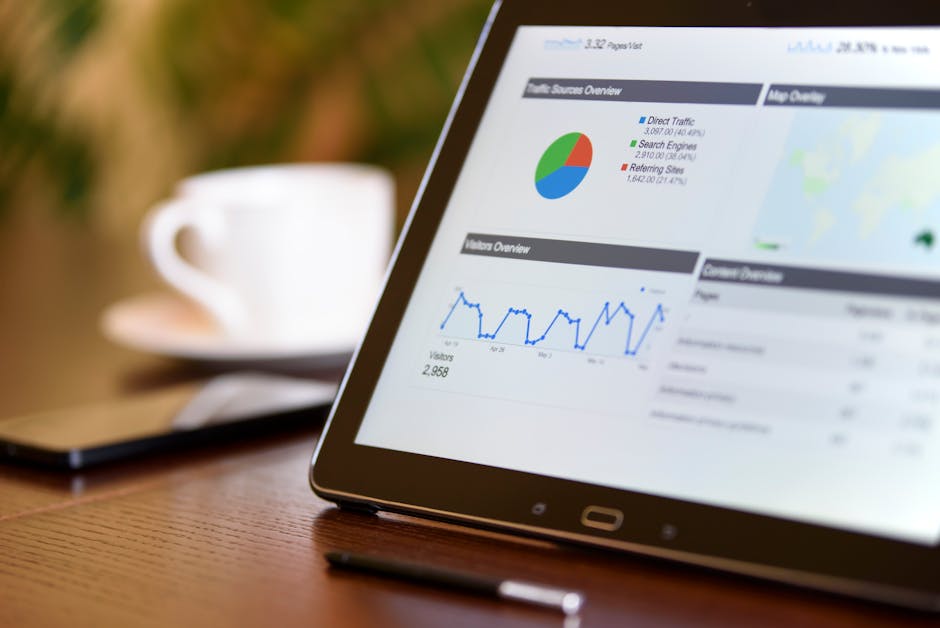
Imagine your business is a vast ocean. Data analytics is like the lighthouse that guides you through this sea, helping you navigate to better decisions.
To put it simply, data analytics involves using tools and techniques to extract insights from large volumes of information—what we call Big Data Architecture. It’s not just about having lots of data; it's about understanding what the data tells us. This process helps businesses identify trends, predict outcomes, and optimize operations.
- Data governance frameworks ensure that your data is collected, stored, and used ethically and efficiently.
- Machine learning algorithms analyze this data to find patterns automatically, improving over time with more information.
Cybersecurity threat intelligence is a critical part of data analytics. It helps businesses detect and respond to potential threats in real-time, protecting sensitive information. This ensures that your business remains secure as it processes vast amounts of data. For example, the EU Data Act aims to streamline how businesses handle personal data across Europe.
Real-time analytics tools provide immediate insights, allowing decisions to be made quickly based on up-to-the-minute information. This is crucial business environment, where speed can often mean the difference between success and failure. By leveraging these tools effectively, companies can stay ahead of market trends and customer needs.
What this means for you: Embracing data analytics not only enhances your decision-making capabilities but also strengthens your cybersecurity measures, ultimately driving growth and innovation in your business.
Remember, it’s not about having the most data; it's about using that data wisely. By adopting robust Data Governance Frameworks, implementing effective machine learning algorithms, and utilizing real-time analytics tools, you can turn raw information into actionable intelligence.
The Impact of Big Data Architecture on Your Job Security
The world is increasingly driven by data. Every decision, from product development to market strategy, relies heavily on analyzing vast amounts of information. As a result, understanding Big Data Architecture isn’t just beneficial; it’s becoming essential for career advancement and job security.
To put it simply, Big Data Architecture involves the design and implementation of systems that can handle large volumes of data efficiently. This includes everything from storage solutions to analytics tools. Companies need professionals who can navigate these complex systems to extract meaningful insights and drive business growth. Failure to keep up with these demands could lead to falling behind competitors or even losing your job.
Here's what matters: mastering Big Data Architecture can open doors to new opportunities, such as data scientist, machine learning engineer, or data analyst roles. These positions are in high demand across various industries. According to MarketsandMarkets™, the Vector Database Market is projected to reach $8,945.7 million by 2030, highlighting a growing need for skilled professionals.
Importantly, proficiency in Big Data Architecture also enhances your cybersecurity threat intelligence capabilities. Real-Time Analytics Tools are essential in identifying and mitigating potential threats before they escalate into full-blown breaches. As businesses become more data-driven, the importance of safeguarding this information cannot be overstated.
The main takeaway is, understanding and implementing Big Data Architecture is crucial for staying competitive in today’s job market. It offers pathways to career growth while enhancing your organization's security posture.
Data & Analytics in Practice: A Simple Walk-through

Data analytics is not just about numbers; it's a comprehensive approach to understanding complex information. Imagine your data as a vast ocean, where each drop contains valuable insights. To harness this ocean effectively, businesses need a robust framework called Big Data Architecture. This architecture acts like the lighthouse in the foggy night of data analysis, guiding enterprises through the tumultuous seas.
A well-structured Big Data Architecture comprises several layers: ingestion, storage, processing, and analytics. It's essential to ensure that each layer is not only functional but also integrates seamlessly with others. For instance, real-time analytics tools can process vast amounts of incoming data almost instantaneously, providing businesses with actionable insights as events unfold.
Importantly, this architecture must be supported by a robust Data Governance Framework. This framework ensures that data is accurate, secure, and compliant with regulations like the EU Data Act. It's akin to having clear rules on how to handle sensitive information in an organization.
To put it simply, think of Big Data Architecture as the foundation upon which all your analytics efforts stand. Without a solid base, any analysis you perform could be flawed or unreliable. Therefore, investing time and resources into building this architecture is crucial for businesses aiming to extract meaningful insights from their data.
Here's the practical takeaway: A well-designed Big Data Architecture combined with robust governance ensures that your data-driven initiatives are both effective and compliant.
What to do about Big Data Architecture
To put it simply, big data architecture is the backbone of handling large volumes of information. It's not just about collecting more data; it’s about managing it efficiently. First, invest in a scalable big data architecture. This means choosing systems that can grow with your business without compromising performance.
Next, establish robust data governance frameworks. These are like the rules of the road for your data—making sure everything is collected, stored, and used ethically and legally. A good framework includes clear policies on data access, security, and privacy.
In short, cybersecurity must be a top priority in any big data setup. Implement advanced threat intelligence systems to detect and respond quickly to potential threats. This proactive approach helps protect your valuable data assets.
Here's the practical takeaway: Start by assessing your current architecture. Identify areas where you can scale or improve security measures. By following these steps, you'll build a solid foundation for handling big data effectively and securely.
Frequently Asked Questions
How does integrating machine learning algorithms benefit my big data architecture?
Machine learning algorithms significantly enhance predictive analytics capabilities within your big data framework. By continuously learning from data patterns, these algorithms can identify trends and make accurate predictions, enabling businesses to anticipate customer needs, detect fraud, optimize pricing strategies, and more. This proactive approach drives informed decision-making. ---
What role does cybersecurity threat intelligence play in a robust big data architecture?
Cybersecurity threat intelligence is vital for protecting sensitive data within your architecture. It involves staying ahead of evolving digital threats by gathering and analyzing information about potential vulnerabilities and attack vectors. Implementing up-to-date security measures based on this intelligence safeguards your organization's data, ensuring compliance with regulations like GDPR or HIPAA. ---
How can real-time analytics tools contribute to faster business decisions?
Real-time analytics tools provide immediate insights into streaming data, allowing businesses to make quick, data-driven decisions. This capability enables companies to respond swiftly to market changes, customer behavior shifts, or operational inefficiencies, giving them a competitive edge. By leveraging these tools, organizations can streamline processes, improve customer experiences, and gain a tactical advantage in their industry.
Looking Ahead
In the evolving landscape of data and analytics, businesses must navigate regulatory changes while capitalizing on technological advancements. As Europe streamlines its privacy framework, India's stringent approach highlights the importance of aligning corporate policies with local laws to avoid penalties. The bottom line: Companies should invest in robust compliance strategies and embrace scalable technologies like vector databases to stay ahead in a data-driven world.