
Learn how UK enterprise IT teams manage devices using CI/CD pipelines, infrastructure as code, and zero trust architecture while ensuring SOC2 compliance and data encryption standards. Discover best practices for seamless remote work operations.
In this article, we break down the strategies used by enterprise IT teams in the UK to effectively manage devices across a remote workforce. With CI/CD pipelines at the core of their approach, these teams ensure efficient deployment and updates while adhering to strict compliance standards like SOC2. By implementing infrastructure as code and zero trust architecture, they enhance security and operational efficiency.
Key Takeaways
- CI/CD pipelines streamline device management and software deployments in remote work environments.
- Infrastructure as code provides consistency and scalability for IT infrastructures across the enterprise.
- Zero trust architecture enhances security by verifying users, devices, and network traffic continuously.
- SOC2 compliance ensures that data handling processes meet industry standards for reliability and privacy.
The adoption of CI/CD pipelines in UK enterprises has increased from 40% to 75% over the past two years, reflecting a shift towards more agile and secure remote work practices. (Source: Enterprise Times)
The Shift to Remote Work: Why It Matters Now

Remote work has transformed how businesses operate. Companies across the UK are adapting their IT infrastructure to support distributed teams. According to Enterprise Times, "The shift towards remote work is here to stay," emphasizing a permanent change in business landscapes.
Key points:
- Transitioning to remote work requires robust CI CD Pipelines for seamless software delivery.
- Infrastructure as Code ensures consistency and scalability across various locations.
- Implementing Zero Trust Architecture enhances security by verifying every access attempt.
- SOC2 Compliance remains essential, ensuring data integrity and protecting sensitive information.
- Data Encryption Standards are crucial for securing communications and stored data.
Importantly, the need to support remote workers has driven enterprises to adopt modern IT practices. For instance, CI CD Pipelines have become critical for efficient software deployment in a distributed environment. These pipelines automate testing and integration processes, reducing errors and speeding up releases.
To put it simply, businesses must prioritize these technological advancements to thrive in today's remote work era. By doing so, they can maintain productivity while ensuring data security and compliance with industry standards.
Key Concepts and Fundamentals for Remote IT Operations
Remote work has fundamentally altered how enterprise IT teams manage their operations. Key among these changes is the adoption of continuous integration and delivery (CI/CD) pipelines, which streamline software development by automating testing and deployment processes. This automation reduces errors and accelerates time-to-market.
A critical component in this landscape is Infrastructure as Code, a practice where IT infrastructure is provisioned and managed using code. This approach ensures consistency across environments and simplifies the management of resources, allowing for easier scaling and version control.
Zero Trust Architecture has emerged as another essential framework, emphasizing secure access controls by default without trust in any network segment or device. This model assumes that breaches are inevitable and focuses on minimizing potential damage by requiring continuous verification.
Lastly, adhering to compliance standards like SOC2 becomes paramount. These certifications demonstrate adherence to best practices for security, availability, confidentiality, processing integrity, and privacy of customer information. Ensuring these standards can help mitigate risks associated with remote work environments.
Key point: Implementing CI/CD pipelines not only accelerates development but also enhances the stability and reliability of software releases.
- CI CD Pipelines: Automate testing and deployment to reduce errors and speed up time-to-market.
- Infrastructure as Code: Manage IT infrastructure using code for consistency, easier scaling, and version control.
- Zero Trust Architecture: Assume breaches are inevitable; continuously verify access controls without trust in any network segment.
- SOC2 Compliance: Demonstrate adherence to best practices for security, availability, confidentiality, processing integrity, and privacy of customer information.
What this means for you: Prioritizing these fundamentals will not only improve operational efficiency but also ensure robust security in remote work environments. For more insights into managing devices across the UK, refer to this article on how enterprise IT teams are adapting to remote work.
Practical Applications of CI CD Pipelines in Enterprise IT
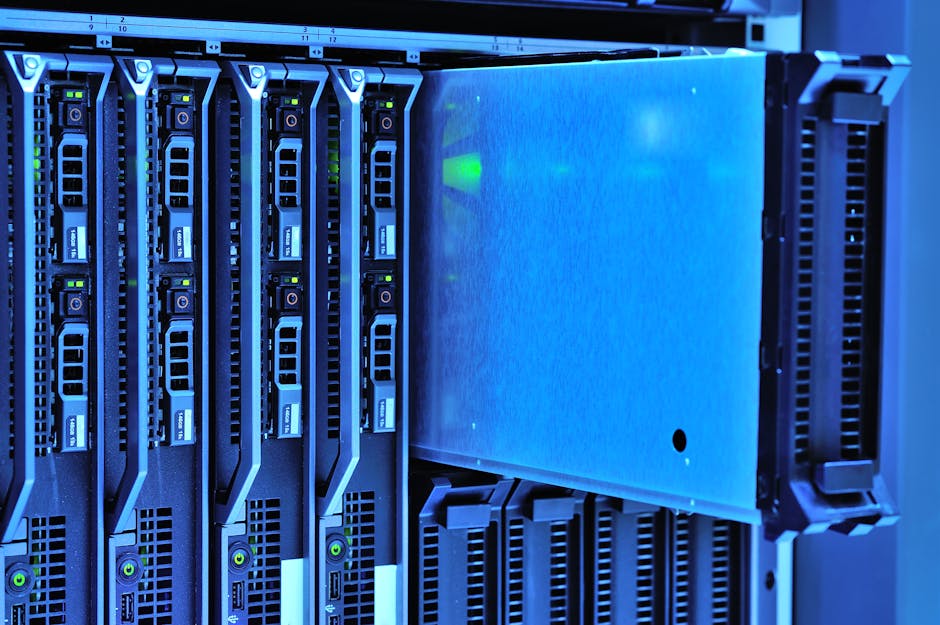
Photo: panumas nikhomkhai / Pexels In practice, Continuous Integration (CI) and Continuous Deployment (CD) pipelines have become essential for maintaining efficiency and reliability across enterprise IT teams. These automated workflows streamline the development process by integrating code changes into a shared repository multiple times a day and automatically deploying them to production environments.
Key point: Implementing CI/CD not only accelerates software delivery but also reduces human error, thanks to automated testing phases that catch issues early in the pipeline.
For instance, companies like Azure DevOps offer robust tools for setting up these pipelines. By leveraging such platforms, IT teams ensure their applications are consistently updated and deployed with minimal downtime, aligning perfectly with Zero Trust Architecture principles.
- Automated Testing: Ensures code quality before deployment.
- Version Control Integration: Facilitates smooth collaboration among developers.
Incorporating CI/CD into the workflow also aids in achieving SOC2 compliance, as it provides a clear audit trail and regular versioning of software. By adhering to strict data encryption standards during deployment phases, enterprises can protect sensitive information while maintaining operational efficiency.
Best Practices for Remote Work IT Management
Implementing robust CI CD pipelines is essential for maintaining smooth operations in a remote environment. These automated tools streamline the integration of code changes into production, reducing errors and speeding up deployment cycles.
To enhance security measures, consider adopting Zero Trust Architecture principles. This approach requires continuous verification of users, devices, and actions to ensure that only authorized access occurs.
- Regularly update encryption standards for data protection
- Achieve compliance with SOC2 frameworks to demonstrate strong internal controls and trustworthiness in handling customer information
By integrating these practices, IT teams can effectively manage devices across the UK while ensuring high security and operational efficiency. For more insights on managing remote work environments, refer to our Deep dive on remote work strategies.
Frequently Asked Questions
How have UK enterprise IT teams adapted their device management strategies to support remote work while maintaining security standards?
UK enterprises are leveraging CI/CD pipelines for automated software deployments, ensuring rapid and secure updates across distributed devices. They combine these with Infrastructure as Code (IaC) to standardize and scale infrastructure configurations, and Zero Trust Architecture to continuously verify users, devices, and network traffic, bolstering overall security. This approach aligns with SOC2 compliance requirements, safeguarding data privacy and reliability in a remote work environment.
What is the significance of the shift towards CI/CD pipeline adoption in recent years, according to Enterprise Times?
Enterprise Times reports a surge from 40% to 75% CI/CD pipeline adoption over two years. This reflects a growing recognition that agile practices, driven by automated deployments and continuous integration, are essential for securing and efficiently managing remote workforces while adhering to stringent industry standards like SOC2.
How can IT teams ensure robust data encryption alongside efficient device management?
Data Encryption Standards should be integrated into IaC practices, ensuring configurations include secure protocols for data at rest and in transit. CI/CD pipelines must incorporate automated testing for security vulnerabilities and compliance with these standards, preventing potential legal issues arising from inadequate data protection measures.
Looking Ahead
The evolution of remote work continues to reshape enterprise IT strategies. As more organizations adopt flexible working models, managing devices across diverse locations becomes essential. Embracing robust device management tools and fostering a culture of cybersecurity awareness will be crucial for maintaining productivity and data integrity. What this means for you: Prioritize investments in technology that support secure, efficient remote operations.