
Key Takeaways
- Serverless computing saves time and money by letting developers run code without managing servers.
- It runs code in response to events, scaling automatically based on demand.
- Companies like Netflix use serverless technologies for efficient peak load handling.
- Serverless architecture simplifies cloud management and reduces costs by charging only for used compute time.
"Serverless computing enables you to build and run applications and services without thinking about infrastructure." - AWS
Serverless Computing: What It Actually Means
AWS Lambda is a prime example of serverless computing. Imagine you have a friend who can cook dinner for any number of guests without needing to own or maintain an entire kitchen. That's like serverless architecture—it runs code in response to events without requiring the user to manage servers.
To put it simply, serverless architecture lets developers write and run application code in environments managed by third-party vendors. Instead of owning servers, users pay only for the compute time they use—like paying per minute or per gigabyte processed.
Key point: Unlike traditional hosting where you rent a server, cloud functions automatically scale up or down based on demand. This means no more guessing about how much hardware to buy and less downtime due to over-provisioning.
The main takeaway is, serverless computing is a cost-effective way for developers to build applications without the hassle of managing servers. It's like having a personal assistant who can handle any task, scaling up when needed and stepping back when not required.
The Rise of Serverless Computing: Why It Matters to You

Serverless computing is a game-changer for businesses looking to optimize their cloud usage. By offloading server management tasks, it allows companies like Netflix, which uses AWS Lambda to handle peak streaming loads efficiently, to focus on innovation rather than infrastructure. This shift not only cuts down operational costs but also accelerates development cycles.
To put it simply, serverless architecture enables developers to write code without worrying about the underlying server resources. Instead of provisioning and maintaining servers, they can deploy their applications as functions that run in response to specific events, such as user requests or data changes. This model is particularly appealing for startups and small teams with limited IT budgets.
Key point: Companies are adopting serverless technologies like AWS Lambda, Azure Functions, and Google Cloud Functions because it simplifies cloud management and reduces expenses by only charging for the compute time used. According to Dgtl Infra's explanation, this approach can lead to significant savings in infrastructure costs while improving scalability and developer productivity.
Ultimately, embracing serverless computing means greater flexibility and agility for your projects, enabling you to build applications faster and more efficiently with fewer resources.
How Serverless Computing Works in Practice
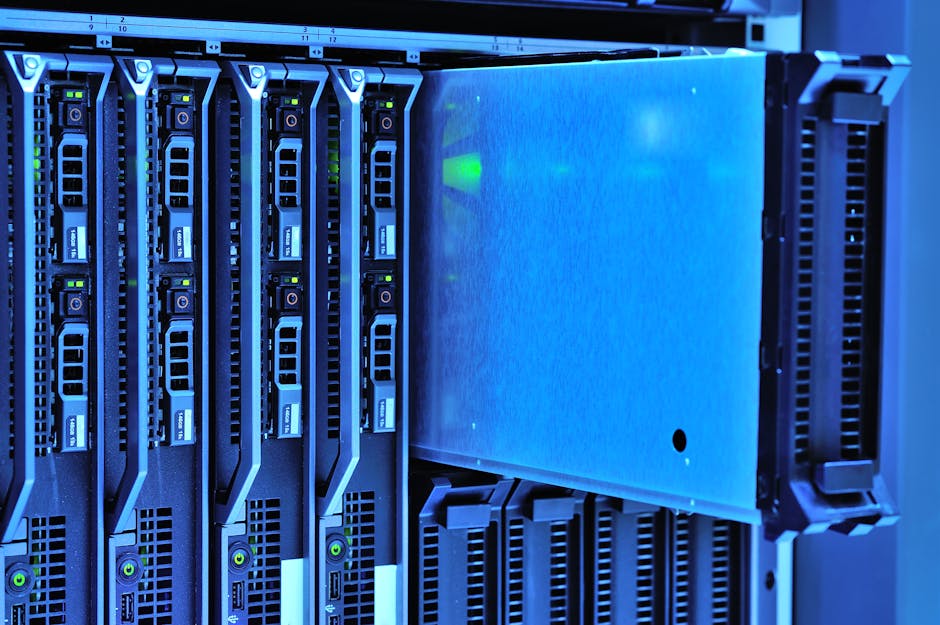
Serverless computing allows you to run code without provisioning or managing servers. Instead, your code runs on infrastructure that's managed by a third party, like Amazon Web Services (AWS), Microsoft Azure, or Google Cloud Platform.
In practice, when you use serverless architecture, the cloud provider automatically scales your application up or down based on demand. For example, AWS Lambda lets developers run code in response to events such as HTTP requests or changes in data.
To put it simply, with serverless computing, you only pay for the compute time your code consumes. This can lead to significant cost savings because there are no idle servers waiting around. Importantly, this model also simplifies development by letting developers focus on writing code rather than managing infrastructure.
What to Do About It: Steps for Serverless Architecture Adoption

Many companies are adopting serverless architecture due to its ability to reduce cloud costs and simplify development. If you're considering this approach, here's how to get started.
First, evaluate your current infrastructure needs. Determine if the tasks you perform can be broken down into smaller functions that don't require constant machine uptime. This is where cloud functions come in handy; they execute code only when triggered by specific events, saving on operational costs compared to traditional servers.
Next, choose a provider like AWS Lambda, Azure Functions, or Google Cloud Functions. These platforms offer the flexibility needed for serverless architecture and can handle varying loads efficiently. For instance, AWS Lambda allows you to run code without provisioning or managing servers.
Consider refactoring your application logic into smaller functions that fit well with these services' execution model. This might involve breaking down monolithic applications into microservices. Refactoring in this way not only aligns with serverless principles but also enhances scalability and maintainability.
What this means for you: By adopting serverless architecture, companies can focus more on innovation rather than infrastructure management.
Frequently Asked Questions
How does serverless architecture differ from traditional cloud hosting?
Instead of renting dedicated servers, serverless lets developers execute code on demand, scaling automatically based on event triggers. You pay for compute time used, eliminating over-provisioning costs associated with traditional hosting. Think of it like paying for electricity used instead of owning and maintaining an entire power plant.
What are the benefits of using AWS Lambda as a serverless platform?
AWS Lambda provides a fully managed environment, allowing developers to focus on writing code without server administration tasks. It scales automatically to handle peak loads efficiently, proven by its use in handling Netflix's massive traffic during popular content releases.
How can I ensure cost efficiency when adopting serverless architecture?
Carefully understand your application’s event triggers and expected load. Monitor usage metrics provided by your chosen vendor (like AWS CloudWatch) to optimize resource allocation. Avoid common pitfalls like overestimating performance or misconfiguring billing settings, which can lead to unexpected charges.
Looking Ahead
Serverless computing is poised to become an integral part of cloud strategies for businesses worldwide. As technology evolves, its potential to reduce costs and simplify development processes will only grow more significant. Embrace serverless architecture now to stay competitive in the digital landscape.